This post was originally published on this site
More than 250 participants gathered Nov. 6-7 for a two-day educational conference on the social ethos of the Orthodox Church. The event, titled “For the Life of the World,” took place at the St. Gregory Palamas Educational and Cultural Foundation of the Holy Metropolis of Thessaloniki.
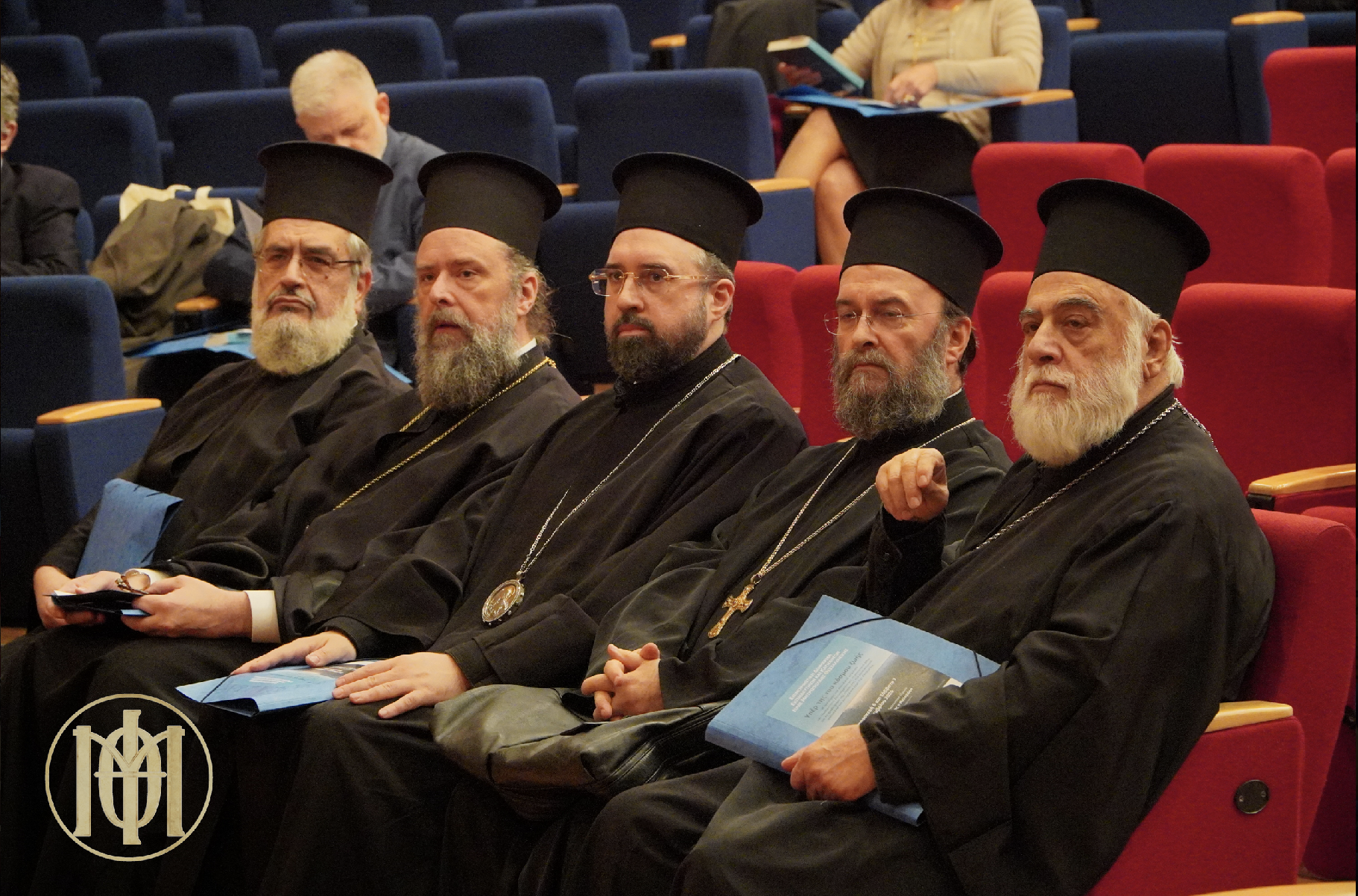
Attendees included 40 priests, 110 parish catechists, 75 schoolteachers and 25 theology students. The conference centered on the Ecumenical Patriarchate’s document For the Life of the World: Toward a Social Ethos of the Orthodox Church. Organizers sought to explore how its theological principles and pastoral vision can inform the Church’s educational, cultural and catechetical ministries, and how they can respond to the challenges facing humanity today.
Opening and Participants
His Eminence Metropolitan Philotheos of Thessaloniki offered welcoming remarks. Greetings followed from representatives of theological and ecclesiastical circles in the Church of Greece. They included the Fr. Athanasios Gikas, dean of the Faculty of Theology at Aristotle University of Thessaloniki; Professor Elias Evangelou, chair of the Department of Theology; and Professor Emeritus Theodoros Giagkos of the Department of Social Theology and Christian Culture.
Fr. John Chryssavgis, Archdeacon of the Ecumenical Throne, professor at Holy Cross Greek Orthodox School of Theology, and Executive Director of the Huffington Ecumenical Institute, also brought greetings. His Eminence Metropolitan Apostolos of Miletus, Abbot of the Patriarchal and Stavropegic Monastery of St. Anastasia, attended throughout.
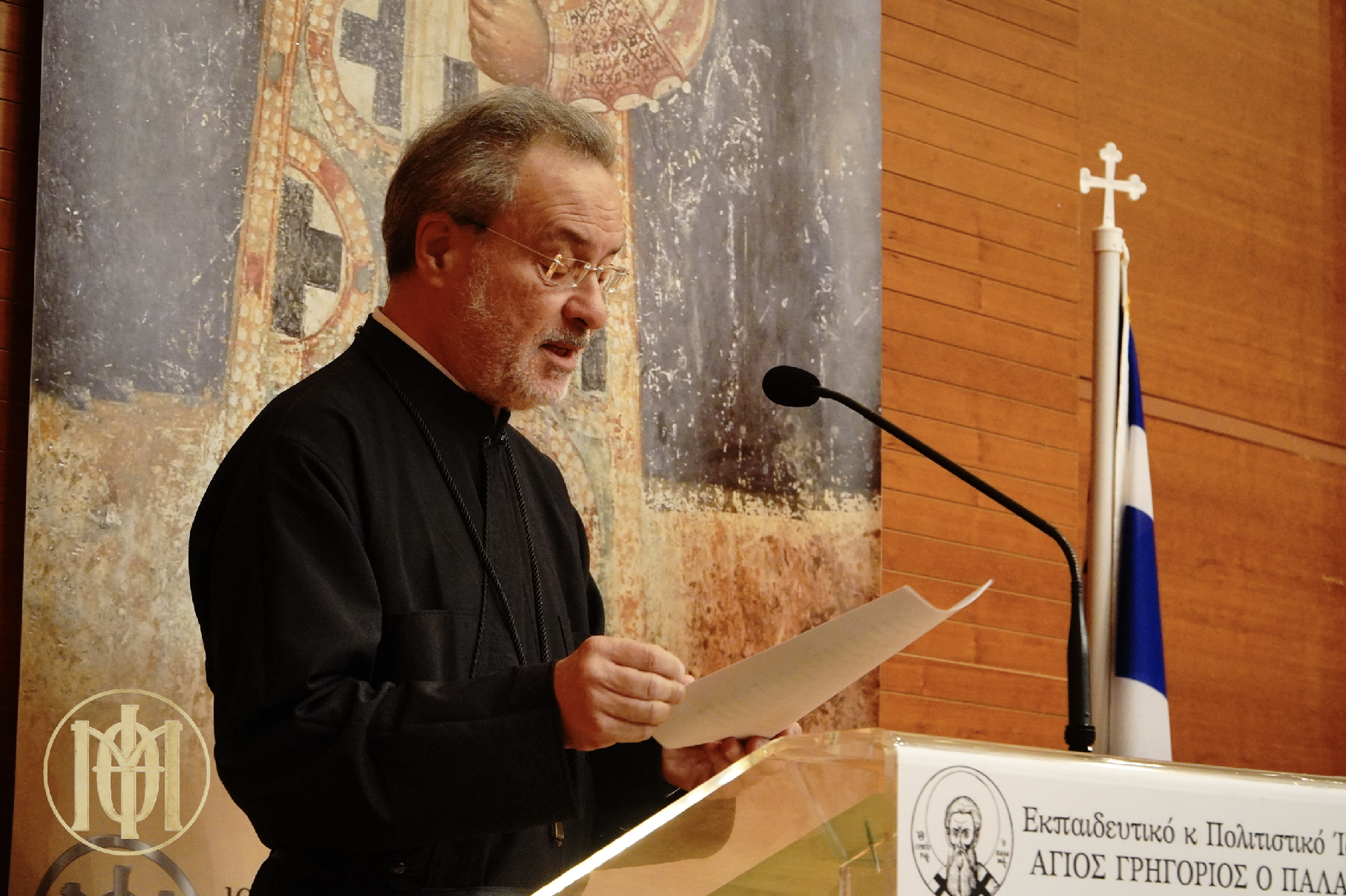
Associate Professor Stavros Yangazoglou of the National and Kapodistrian University of Athens moderated the opening session. That evening, a musical tribute honored the late Professor Chrysostomos Stamoulis. The “Voices” Mixed Choir of St. Barbara’s Church in Thessaloniki, conducted by Konstantinos Diminakis, performed.
Presentations and Workshops
The conference program had two parts. Theologians from the universities of Thessaloniki and Athens presented on the eight central themes of For the Life of the World: the social character of Orthodox Christian ethics; the Church in the public sphere; the course of human life; poverty, wealth, and civil justice; war, peace, and violence; ecumenical and interreligious relations; Orthodoxy and human rights; and science, art, and the natural environment.
Nine interactive workshops followed, led by theologians, educators, and advisors. They turned the document’s themes into practical teaching approaches on social justice, Christian witness in public life, the search for meaning, reconciliation and nonviolence, ecumenical and interreligious dialogue, human rights, technology, and environmental responsibility. Workshop titles included “The Art of Reconciliation in a World of Conflict and Violence” and “Our Gift, Our Responsibility: From the Climate Crisis to an Ethos of Shared Responsibility.”
Drawing on biblical and patristic sources, iconography, literature, and art, the workshops provided resources for parish catechesis and secondary education. Organizers placed particular emphasis on methods that connect the Church’s tradition with the experience of children, adolescents, and the wider community.
Charity and Justice
Speakers said the Church’s social responsibility is rooted in the creation of every person in the image and likeness of God, the communion of love revealed in the Holy Trinity, and the Eucharistic and ascetical life of the Church. Participants said that while charity remains indispensable, Orthodox social teaching also calls for addressing the structures and causes of injustice, poverty, exclusion, and exploitation. They drew a distinction between charity and justice, and said the Church must speak prophetically, even when its message challenges those holding political or economic power.
Presenters cited Christ’s identification with the hungry, the suffering, the incarcerated, and the marginalized in Matthew 25. They also said the Divine Liturgy does not end at the church doors–the Eucharistic celebration continues in the daily struggle for justice and compassion.
Human Rights, Dialogue, and Creation
On human rights, presenters said the Orthodox Church supports the protection of fundamental and inalienable rights, as affirmed by the Holy and Great Council of Crete in 2016 and by His All-Holiness Ecumenical Patriarch Bartholomew in a 2017 address in Germany.
The conference also considered pastoral questions such as family life, child protection, sexuality, abortion, suicide, and end-of-life care. Participants called for a pastoral approach marked by theological integrity, compassion, discernment, realism, and sensitivity.
For the Life of the World was presented as an invitation to cooperation between Christians and people of other faiths on peacebuilding, social justice, environmental protection, and human dignity.
Care for creation was described as an essential expression of Christian faith tied to Eucharistic spirituality and the Incarnation. Participants said catechesis should cultivate gratitude, restraint, shared responsibility, and active care for the environment.
Looking ahead
Speakers said the Church should neither withdraw from society nor simply accommodate prevailing attitudes. Participants called for wider study of the document in theological schools, seminaries, parishes, youth ministries and religious education programs.
The conference closed with a plenary discussion on applying its insights in parish and educational settings. In closing remarks, Metropolitan Philotheos thanked the organizers, presenters, facilitators and participants. He expressed hope that For the Life of the World, the fruit of a synodal process within the Ecumenical Patriarchate, would receive a creative response across the Church, including in catechesis, pastoral ministry, theological education and public witness.
The post The Church should neither withdraw nor accommodate, Orthodox speakers say appeared first on Orthodox Observer.