This post was originally published on this site
Today, February 22, His Eminence Metropolitan Gerasimos of San Francisco celebrates the anniversary of his election by the Holy and Sacred Synod of the Ecumenical Patriarchate to be the new Metropolitan of San Francisco, with his enthronement being held on April 2, 2005. In recognition of this anniversary, the Orthodox Observer shares this profile on His Eminence’s upbringing and ministry. Axios!
When His Eminence Metropolitan Gerasimos of San Francisco was a teenager, becoming a priest was “the last thing” on his mind. “But many times,” Metropolitan Gerasimos says, “people plan and God laughs.”
Growing up in Kalamata, Greece, Metropolitan Gerasimos struggled to reconcile aspects of the institutional church with the message of Christ, which he describes as “the love that the crucified Christ emanates and the forgiveness, the inclusivity.”
Still, even throughout this angst, he found clergy around him who were “the epitome of what Christ preached: self-sacrifice, respect for the other.” Leaving Greece at age 19, he immigrated to Montreal, Canada, where he planned to pursue missionary work–but God had other plans for him.
> Watch a video from the Metropolis of San Francisco on Metropolitan Gerasimos
“Things came to different circumstances than I expected,” Metropolitan Gerasimos says. “God pushed me into Hellenic College Holy Cross, and that was it. My whole life changed.”
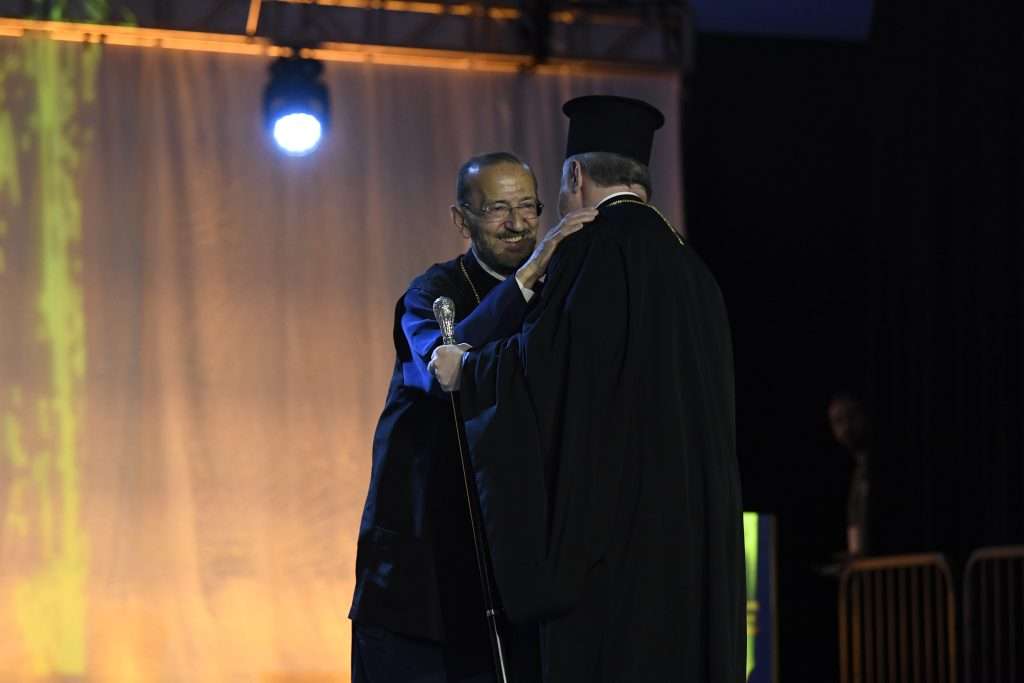
Graduating from Hellenic College with a Bachelor of Arts in 1973 and from Holy Cross School of Theology with a Master of Divinity in 1976, Metropolitan Gerasimos spent a few years working in the school’s administration before being ordained to the diaconate.
He spent the next 17 years serving as Archdeacon to Archbishop Iakovos, the longtime spiritual leader of the Greek Orthodox Archdiocese of North and South America. Metropolitan Gerasimos describes this time as being among the most formative influences of his life.
Read: Metropolitan Gerasimos commemorates Archbishop Iakovos at HCHC tribute
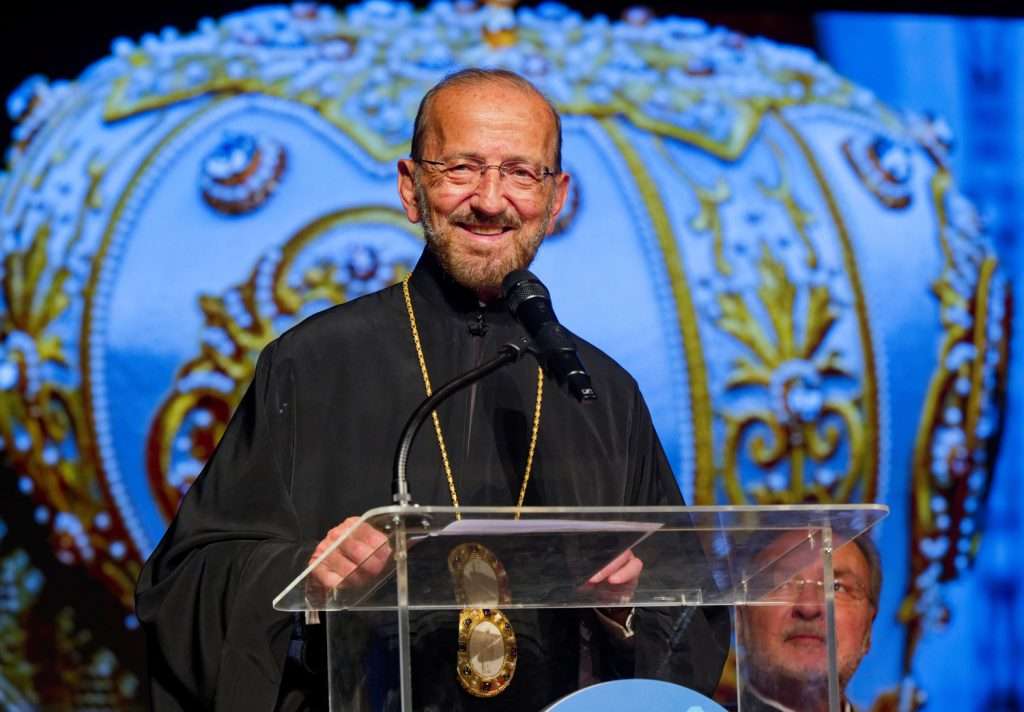
After completing additional degrees in psychology and counseling, working as both Dean of Students and Director of Admissions and Records at Hellenic College/Holy Cross, and serving as Chief Secretary to the Holy Eparchial Synod of the Greek Orthodox Archdiocese of America, Metropolitan Gerasimos was elected the new Metropolitan of San Francisco on February 22, 2005.
Across his tenure, Metropolitan Gerasimos has brought to the Metropolis of San Francisco both energy and trust in God’s plan, even if it means change.
He emphasizes the Church is living–“not a museum”–and that it’s important for clerical leadership to remember this.
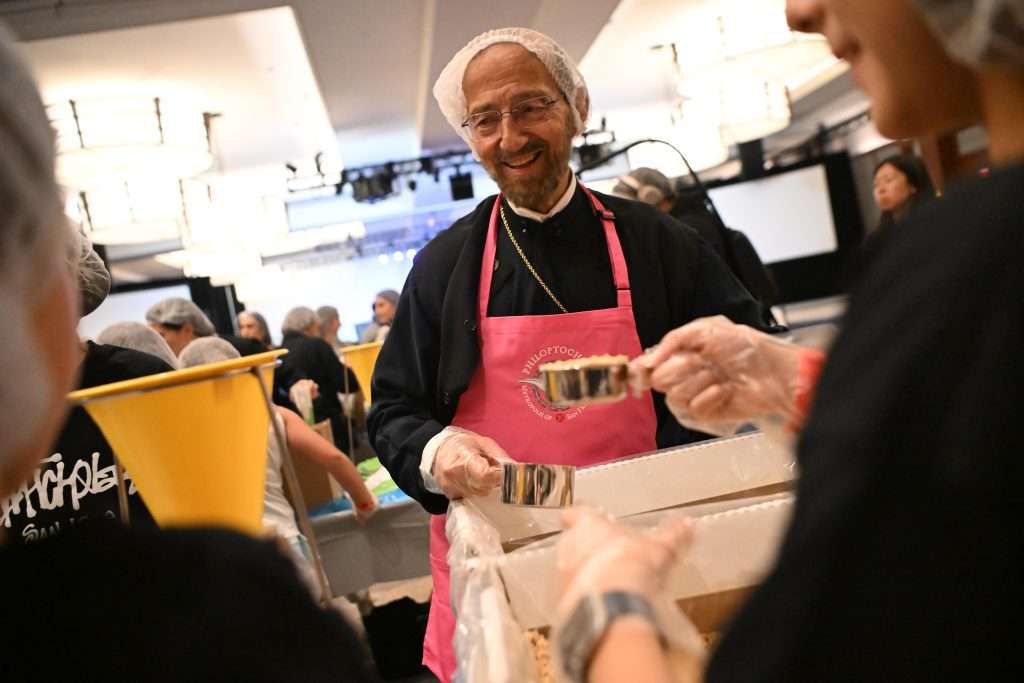
“Sometimes you get into a groove and you forget that that groove is going to get deeper and deeper and deeper,” Metropolitan Gerasimos says. “Before you know it, you’re going to be in the bottom of the thing.”
By encouraging dialogue and allowing people of all ages to have a seat at the table, he says, clergy can help ensure their parishes don’t get into such ruts. He has asked many of his parishes to establish junior parish councils, where young people can learn about servant leadership and express their faith.
Through initiatives like this, Metropolitan Gerasimos says, he is blessed to have both “many priests and also many lay people as sojourners, going together.”
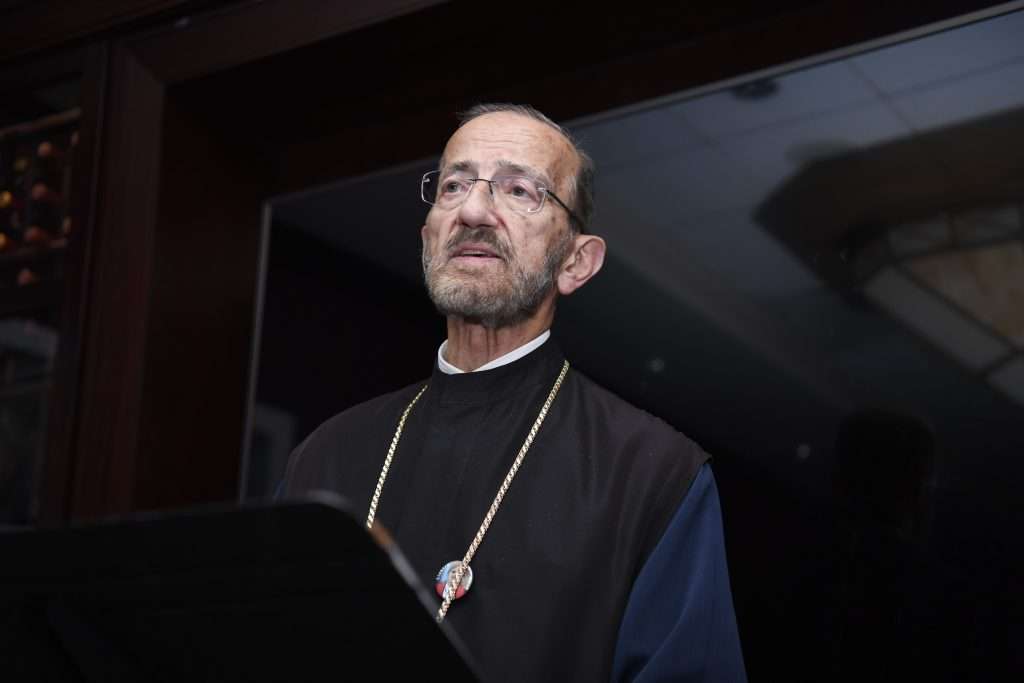
When Metropolitan Gerasimos was elected as metropolitan, among his priorities was the expansion and streamlining of Metropolis of San Francisco ministries.
Now, 13 engaging and responsive ministries are offered: Christian Education, Church Music, Clergy Continuing Education, Family Wellness, Folk Dance & Choral Festival (FDF), Greek Language and Culture, Greek Village, Missions & Evangelism, Orthodox Parish Leadership, Philoptochos, Young Adult League (YAL), Youth and Young Adult Ministries, and St. Nicholas Ranch.
> Watch a video on the Metropolis of San Francisco’s ministries
Perhaps the most visible of these ministries is FDF. In 2008, the Metropolis moved to formally integrate the event’s focus on dance with the values of family, friendship, and faith. “Warmth … reaching out to everybody,” Metropolitan Gerasimos says, “is the spirit of FDF.”
> Previously: ‘Together for a life moment’: FDF brings comfort after Los Angeles fires
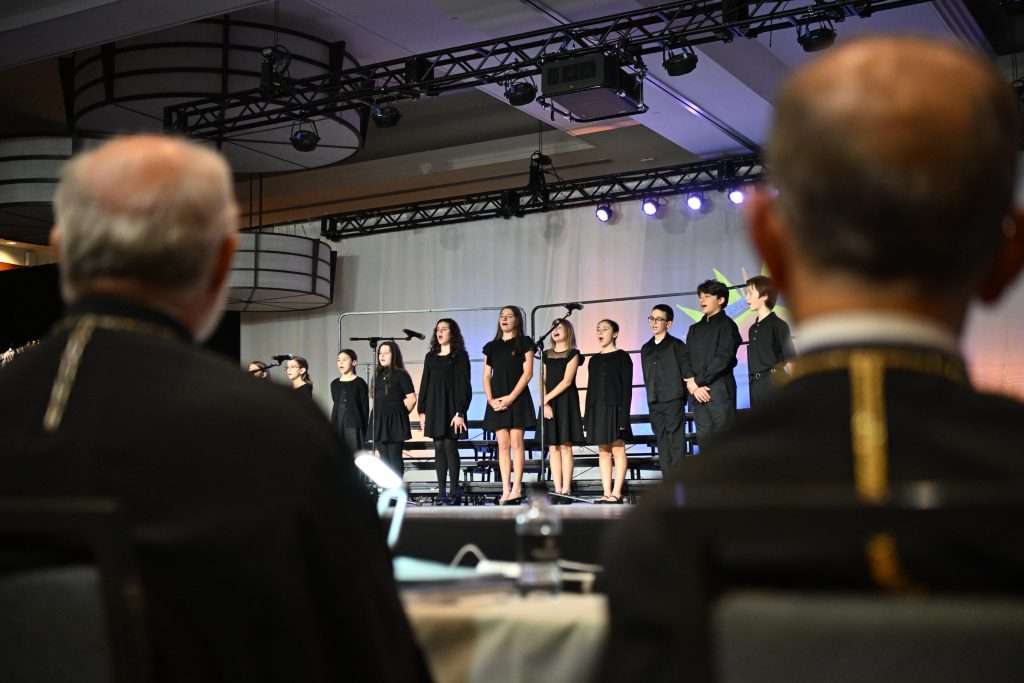
Earlier this month, Metropolitan Gerasimos attended the 49th Annual Greek Orthodox Folk Dance and Choral Festival (FDF) in Phoenix, Arizona. In its nearly 50 years, FDF has grown into an elaborate, large-scale event, but has maintained its spirit of friendships, laughter, and dancing.
“It’s moving,” Metropolitan Gerasimos says. “People come from throughout the West Coast and from other places as well because they want to see and drink from the same waters of the same fountain that they did the year before, which is what? Relationships.”
“It would be very pretentious of me to say lofty ideas about FDF, but it’s very simple and organic,” Metropolitan Gerasimos says. “People get together and have a good time, and they leave with tears in their faces because they don’t want to leave.”
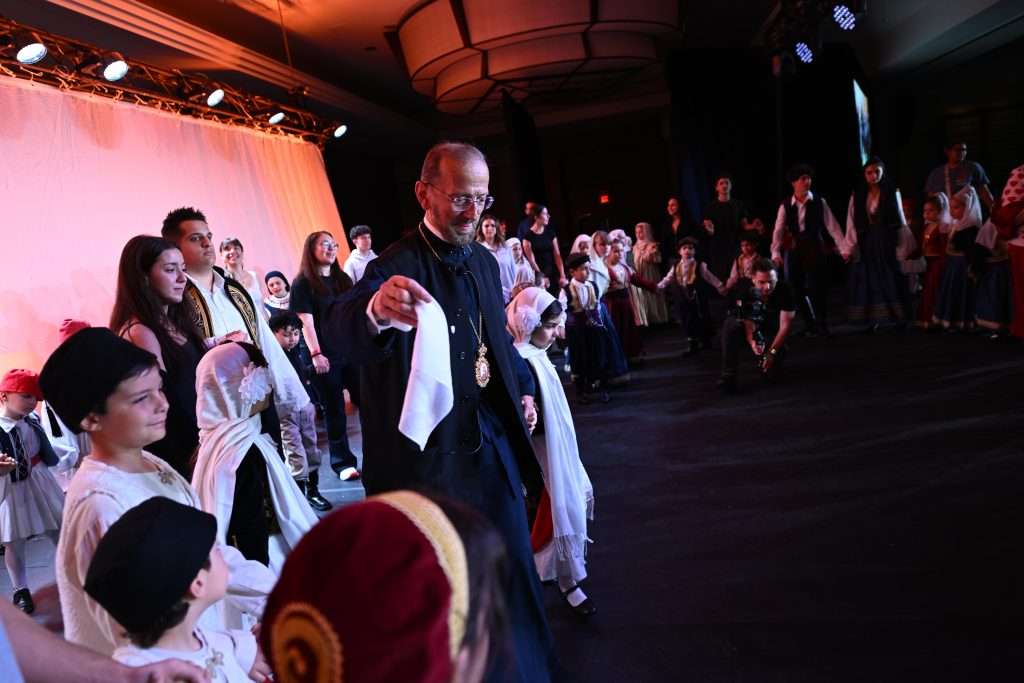
The Metropolitan shares he’s filled with emotion seeing this sense of embrace at FDF each year, especially at seeing the small children who carry the legacy of the generations of FDF participants who came before.
At this year’s FDF, speakers often turned to this future, especially to highlight the newly-established National Greek Folk Dance and Cultural Ministry. An expansion inspired by the enduring success of FDF, the new ministry seeks to serve as a witness to the Orthodox faith’s beauty through its celebration and preservation of Hellenic arts.
> Previously: On final day, FDF looks to the future
“Orthodoxy does not erase culture–it purifies it, transfigures it, and offers back to God what we have,” Metropolitan Gerasimos said at FDF’s Divine Liturgy. “Faith and heritage are not competing identities, but one shared life in Christ.”
“I hope and pray that we’re going to be able to continue, to cultivate for the next generations to come,” he says. “And I am very thankful to God.”
Metropolitan Gerasimos begins each day with a simple prayer: “Thank you for waking me up. Give me as much as I am able to bear.” In these few words are found the hallmarks of Metropolitan Gerasimos’s ministry: gratitude, simplicity, and an abiding trust in God’s providence—qualities that continue to guide him in his service to the Church and its people.
The post ‘The Church is not a museum’: The ministry of Metropolitan Gerasimos appeared first on Orthodox Observer.