This post was originally published on this site
John Georges is the CEO of Georges Enterprises, a diversified holding company based in New Orleans with interests in distribution, real estate, and hospitality. In 2013, he and his wife, Dathel, purchased The Advocate, today the largest daily newspaper in Louisiana. They later added Gambit, the city’s weekly entertainment publication, and acquired The Times-Picayune, merging it with the New Orleans edition of The Advocate to create a unified, statewide news organization.
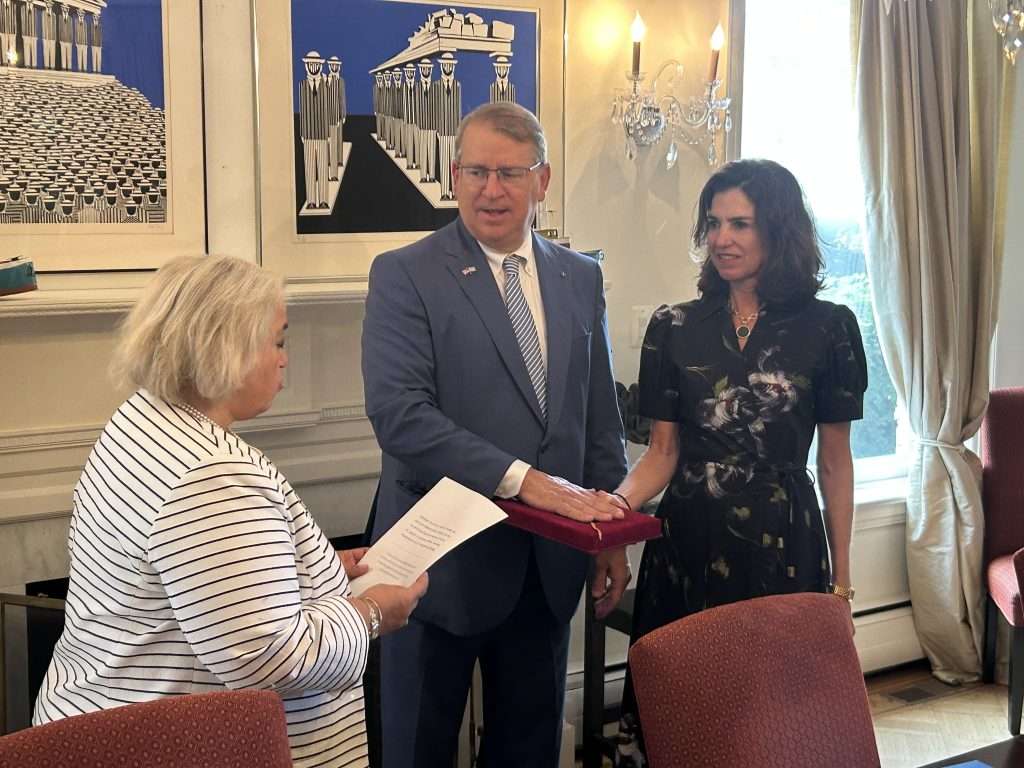
An active member of the Greek Orthodox Church, Georges is an Archon of the Ecumenical Patriarchate, a member of Leadership 100, and a founding board member of The Hellenic Initiative. He has served in leadership roles at Holy Trinity Greek Orthodox Cathedral in New Orleans, especially in the aftermath of Hurricane Katrina, and has been closely involved in supporting Greek-American philanthropic, cultural, and community initiatives. He is widely recognized as a major supporter of the Greek Orthodox Archdiocese of America and the Ecumenical Patriarchate of Constantinople. In recognition of this leadership and his Hellenic heritage, he was recently sworn in as Honorary Consul of Greece in Louisiana. John Georges spoke to Dr. Stratos Safioleas for the Orthodox Observer.
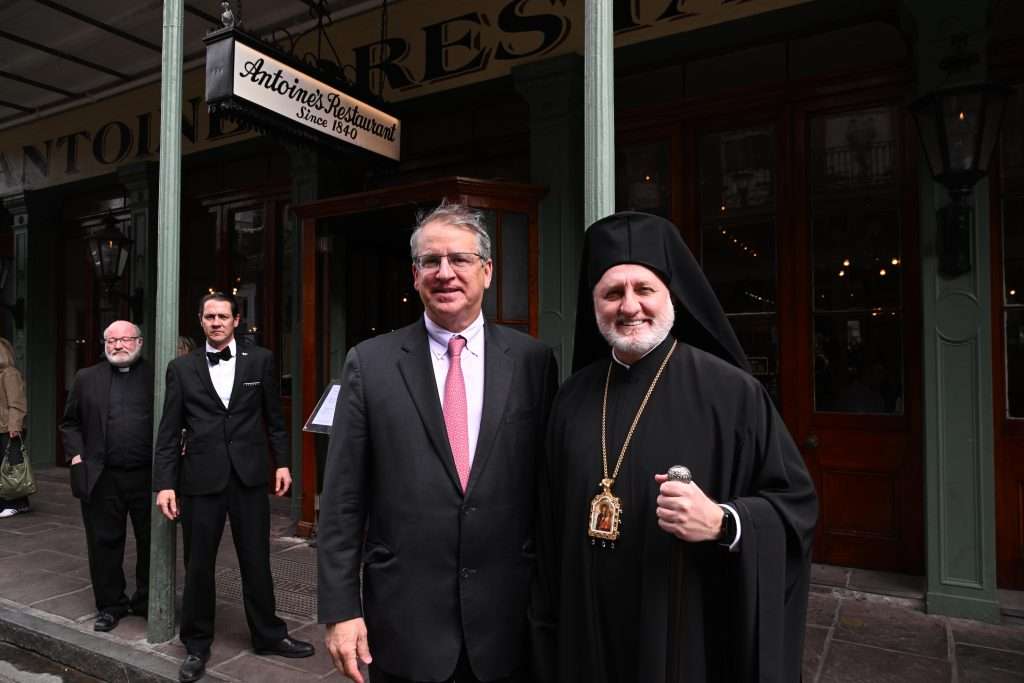
You were recently sworn in as the Honorary Consul of Greece in Louisiana—a title with deep symbolic weight. How did this come about, and what does this appointment mean to you personally?
Huge responsibility and personal honor for me for generations of service to the interest of the Hellenic Republic. My grandparents and parents hosted Greek officials and dignitaries who visited New Orleans for various causes at a time when the Greek Government had a consulate.
New Orleans is sacred ground for Greek-American history—the first Greek Orthodox church and consulate in the U.S. were founded here in the 1860s. How important is this legacy, and how does it shape your sense of responsibility as you step into this new role?
History is very important to me as a person of Greek ancestry and a native of New Orleans. The fact New Orleans was both the first Greek Consulate and the First Greek Orthodox Church in America makes it even more important.
You started working in your father’s business when you were barely a teenager, delivering supplies and sweeping floors. What do you remember most vividly from those early years, and how did that experience define the businessman you became?
My father and grandfather, like many who immigrated from Greece, spent all the time between work, family and the Greek community. As a child, I worked at the family business and all the various events like Greek Festival at the Church.
You’ve built Georges Enterprises into a diversified billion-dollar business, spanning everything from food distribution to real estate. How have your Greek family values shaped the way you lead?
My business success comes from watching how hard my father and uncle worked putting the business first. Early years of long hours and weekends at the office is definitely a Greek thing.
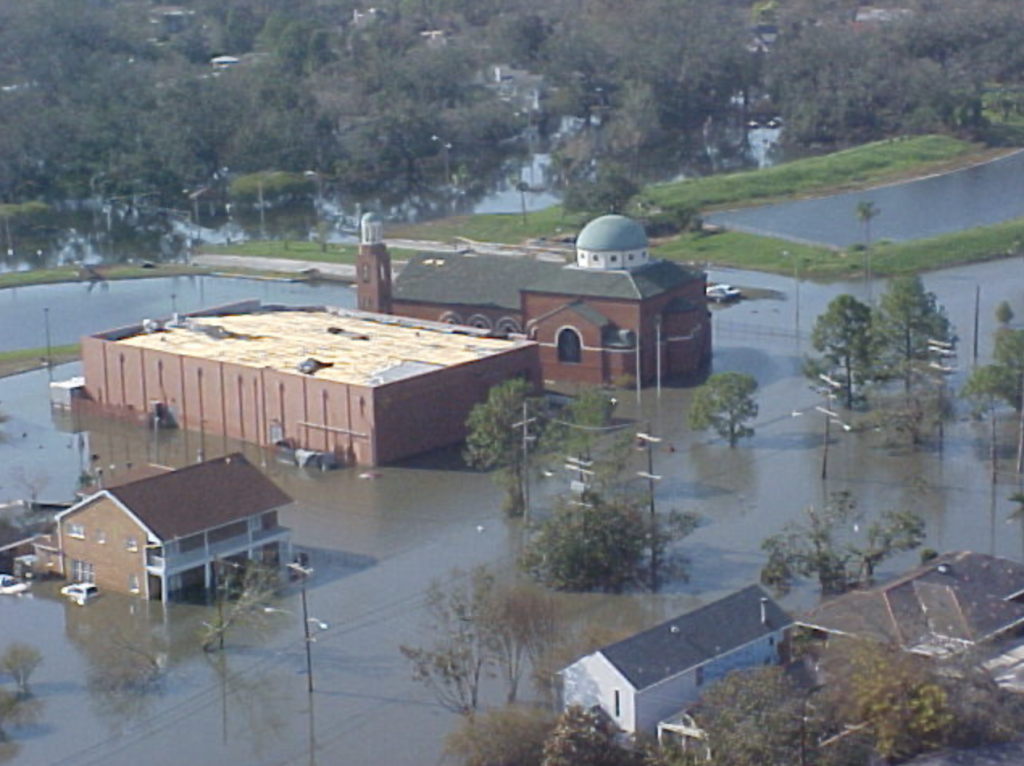
After Hurricane Katrina, you helped lead the rebuilding of Holy Trinity Cathedral. Tell us more about that experience and what it revealed about the Greek-American community in Louisiana.
I was the President of the Greek Community, which my family had spent decades building the church, the cultural center and securing real estate investments. When the levees broke, the Church and community center were under several feet of water and lost the roof. Nearly all the Greek families evacuated, but a handful of us rebuilt everything in 4 months. You have to think I was President at that time for a reason. When the families finally returned, and before they repaired their houses, we had already opened the Church.
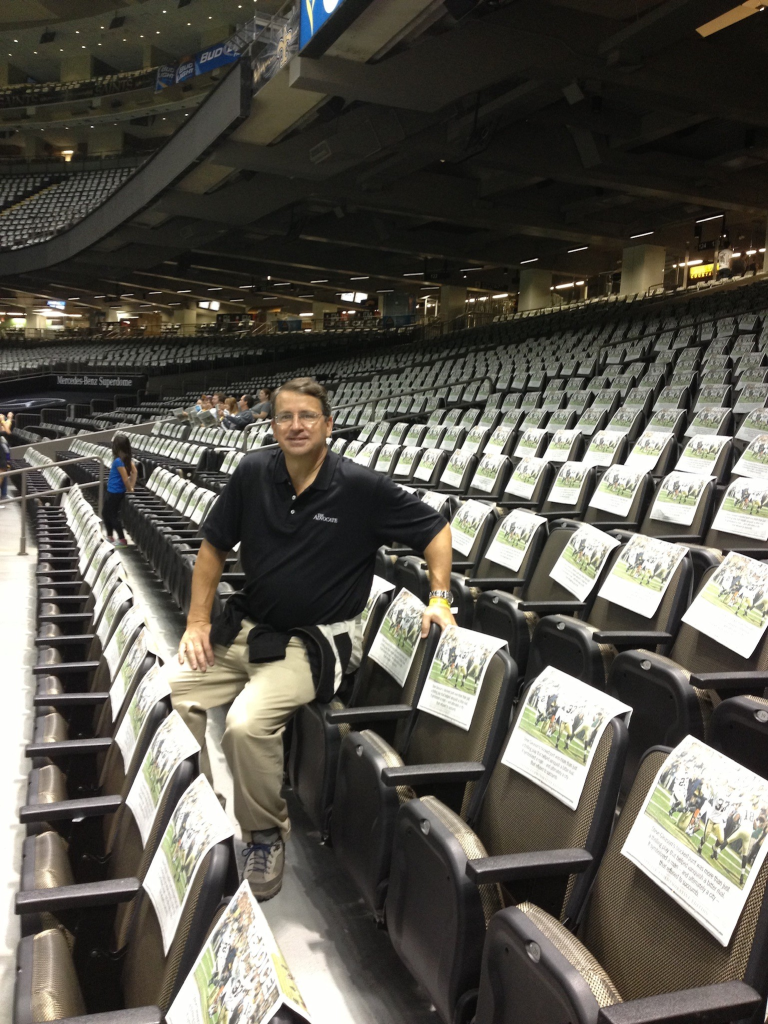
You took over The Advocate and The Times-Picayune, saving local journalism in Louisiana. Media is not necessarily a profitable business. Why was this endeavor important to you?
Legacy newspapers were at a rapid decline, but we were able to run them like we were running our own business we were able to be profitable. We reversed declining readership and increased our profits by innovating and expanding our digital offerings. Every year there are new challengers in the media, but we continue to invest and expand.
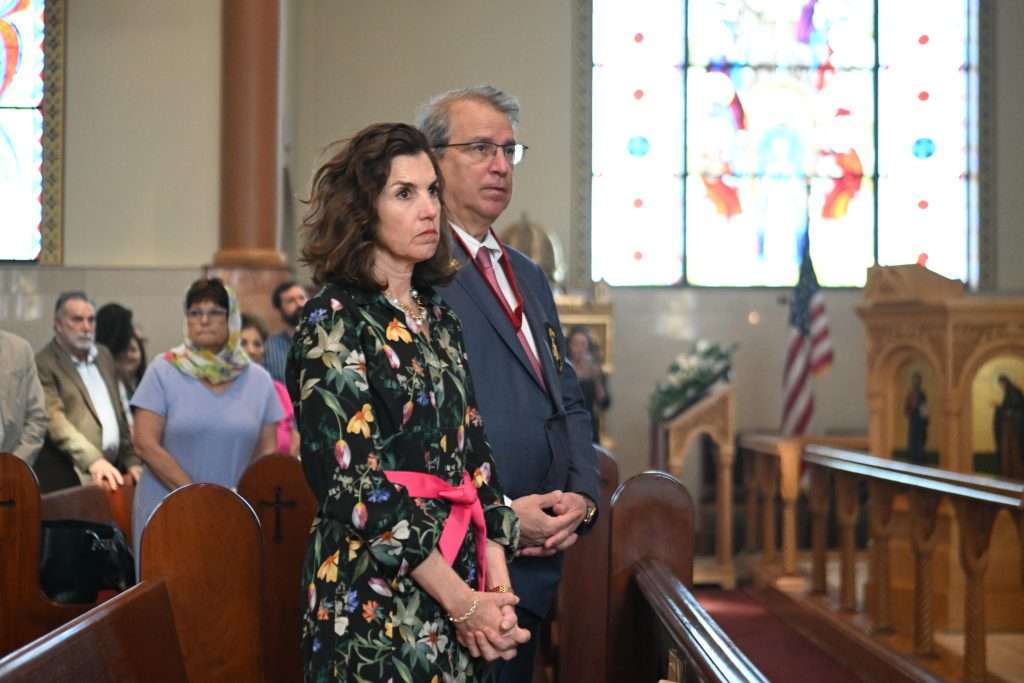
Some people see the honorary consul role as symbolic. Do you intend to make it more practical? What’s your vision for connecting Greece and Louisiana—culturally and commercially—in a way that leaves something lasting?
Honorary is not symbolic, but rather means I am not being paid for the job. I cannot issue a passport, but I still have official duties. New Orleans has 50 consulates, and most are honorary and underwrite the cost. New Orleans is a port city so there are always Greek interests in need. Louisiana is an agricultural, energy and maritime state.
Many observers believe the new U.S. administration is ushering in a new era in foreign policy. What impact do you expect this shift to have on U.S.–Greece relations?
As America and Greece continue to remain as strong allies, Louisiana plays a key role with the Speaker of the House and the Majority Leader, and two US Senators close to the President. Louisiana is a also military, maritime, agriculture and energy state – which are all the key industries that Greece shares with America.
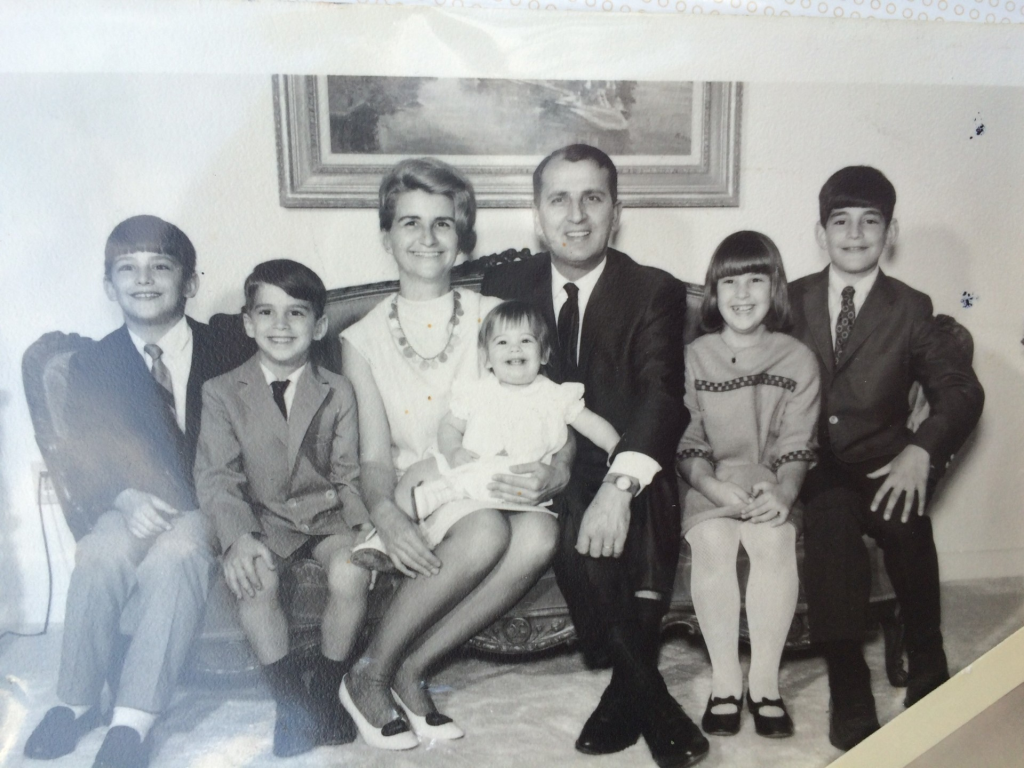
Looking at the next generation of Greek Americans, are you optimistic? What should our churches, schools, and families be doing more of—or differently?
It’s funny how my father who was born in Greece and served in the Greek Airforce in Korea said he was American and my children who are born in America say they are Greek. So, our future is secure as long as Greece continues to make the right decisions going forward.
The immigrants who built our churches, schools and community centers, and worked our festival have invested wisely leaving us a financially sound community in New Orleans.
So, I am optimistic that our culture will thrive.
The post John Georges is optimistic about Greek America’s next generation appeared first on Orthodox Observer.