This post was originally published on this site
While having come into full fruition in the 20th and 21st centuries, the Orthodox monastic movement in North America has nevertheless, deep roots as it continues to support and accompany the development of Eastern Orthodoxy in the New World. The origins of Orthodox monasticism in North America, particularly the United States, can be traced back to the late 18th century while seeing significant development in the 20th century with new waves of immigration and the search for true spirituality.[1]
The first concerted efforts to establish Orthodox monastic communities in North America environment were undertaken through Russian missionary work in Alaska. In 1794, monks from the Monastery of Valaam settled down on Kodiak Island, bringing with them the ascetical and liturgical traditions of the Russian Church.[2] Among them, Saint Herman of Alaska is considered to be one of the most distinguished figures of the history of Russian missionary activity in Alaska, as his approach to evangelism among the native peoples of Alaska was deeply informed by his commitment and maturity in the hesychastic ascetic life.[3]
Even though Orthodoxy gradually grew throughout the 19th and early 20th century in America, the monastic movement was generally weak and fragmented. Only at the turn of the 20th century, in connection with the influence of the Russian ecclesiastical tradition, was the formation of a systematically organized monastic movement realized. In particular, political factors such as the October Revolution in Russia and the subsequent migration of many monks and clergymen to the West greatly contributed to the further development of ecclesiastical life in America, giving rise to a number of new monasteries.[4]
It was in the 20th century that the Orthodox monastic movement in the United States acquired the character of a well-established institution. Different Orthodox jurisdictions established numerous monasteries that served as theological and spiritual centers for the growing Orthodox faith in America. At the same time, during the latter decades of the century, particularly the 1960s and 1970s, a considerable number of American converts were drawn to the ascetic and spiritual traditions of Orthodoxy and sought out the spiritual and pastoral riches of monasticism which greatly contributed to the growth of monastic life and the founding of new monasteries.
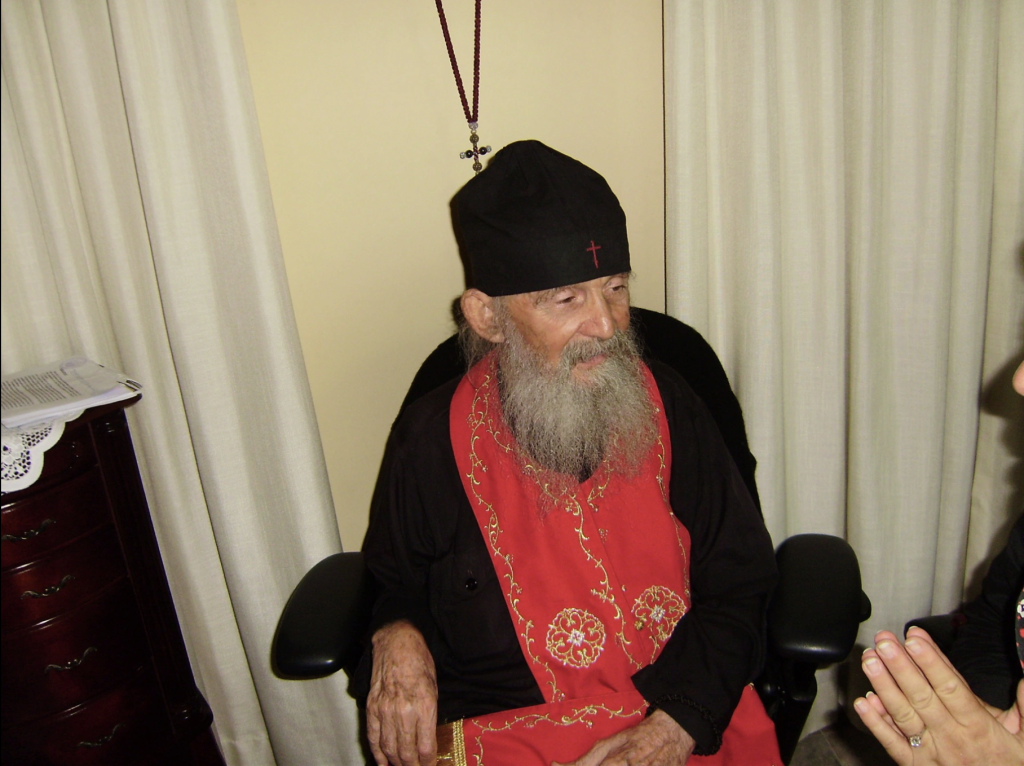
An especially significant figure in the history of the Orthodox monastic movement in America is Elder Ephraim of Philotheou (†2019), a disciple of the famous Saint Joseph the Hesychast. His arrival to America in the latter years of the 20th century culminated in the authentic transplantation of the Athonite hesychastic tradition to the American reality and a revived appreciation for the Greek language as a language of liturgy and prayer. Even though a majority of the monastics residing in the monasteries of Elder Ephraim are Americans of various extractions, from Greece and other Orthodox countries or not, the exclusive use of Greek in the Divine Services in these monasteries encourages a deeper appreciation and experience of Orthodoxy’s many treasures.
Under his spiritual fatherhood, an extensive network of monastic communities emerged in the United States and Canada, with the central monastery being Saint Anthony’s Monastery of Arizona, which became a spiritual oasis in the Sonoran Desert.
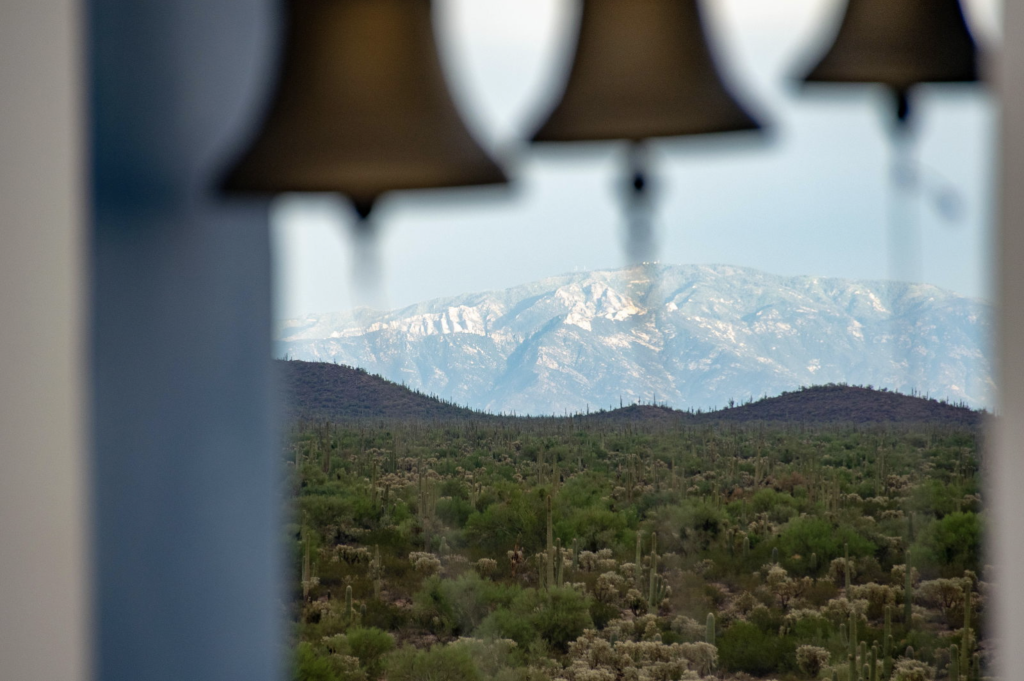
In all, Elder Ephraim founded the following monasteries:
- Nativity of the Theotokos Monastery (Pennsylvania);
- Saint John Chrysostom Monastery (Wisconsin);
- Holy Protection Monastery (Pennsylvania);
- Life-Giving Spring Monastery (California);
- Saint John the Forerunner Monastery (Washington);
- Saint Anthony Monastery (Arizona);
- Archangels Monastery (Texas);
- Panagia Vlahernon Monastery (Florida);
- Annunciation Monastery (Florida);
- Holy Trinity Monastery (Michigan);
- Panagia Prousiotissa Monastery (North Carolina);
- Panagia Pammakaristos Monastery (North Carolina);
- Transfiguration of the Savior Monastery (Illinois); and
- Saint Nektarios Monastery (New York).
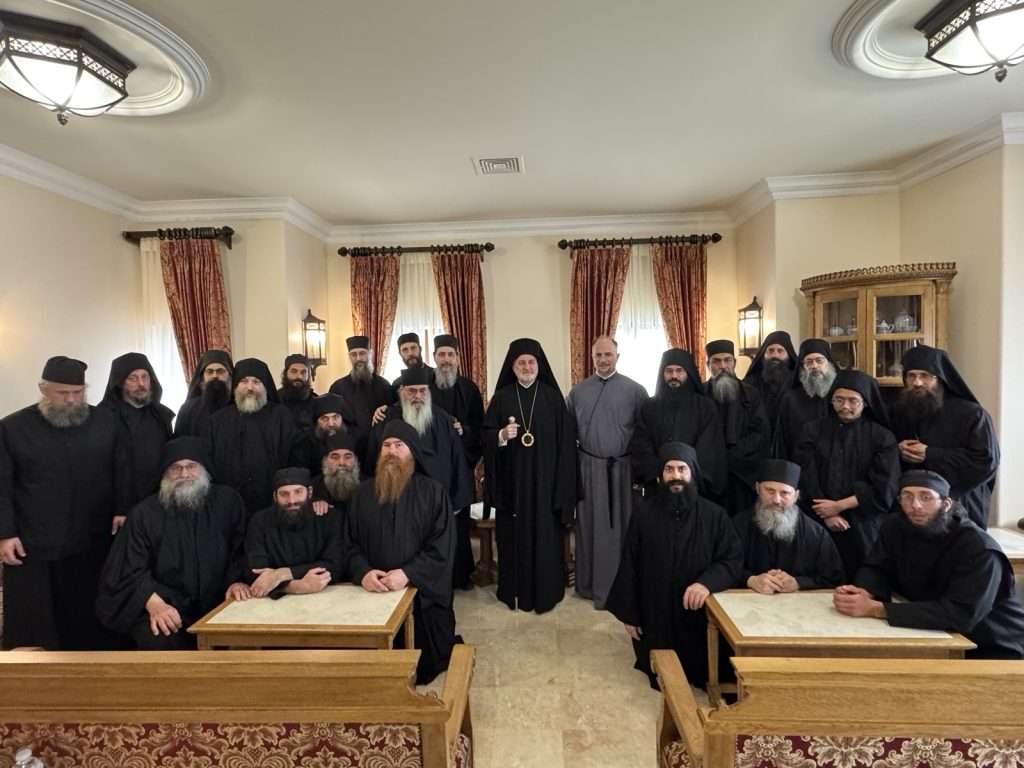
These monasteries have proven to be far from isolated with the wider world, as many people from different walks of life have flocked to these spiritual centers, seeking spiritual aid and consolation. A great blessing for America is the fact that Elder Ephraim spent the final decades of his life in the U.S., guiding the monastic communities, and reposed in holiness at Saint Anthony’s Monastery in 2019. His grave has become a pilgrimage site for visitors from around the world and a source of spiritual comfort and reported healings.[5]
At the dawn of the 21st century, one can observe a considerable development of Orthodox monastic movement in the USA as dozens of monasteries continue to flourish throughout the country. The function of such monasteries lies in preserving the ascetic traditions of the Orthodox Church and acting as centers for refuge and renewal for Orthodox clergy and laity alike.[6] For more than two and half centuries, America has been a fertile ground for Orthodox monasticism to flourish as monastics care for both Orthodox faithful and inquirers through prayer and hospitality. A dynamic and impartial kind of philoxenia, love for one’s stranger, is being particularly cultivated in monasteries throughout America, a manifestation of Orthodoxy’s ecumenical phronema, in response to the collective diversity inherent to American society.[7]
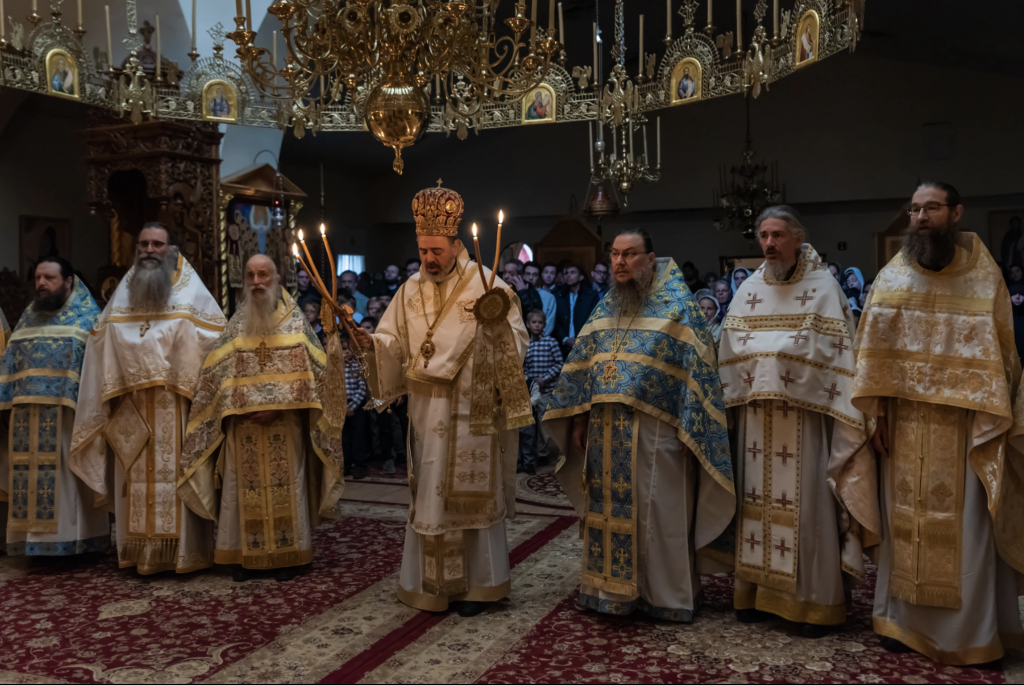
The story of Orthodox monasticism in America has been marked by an enduring sense of mission to spread the Gospel and the Orthodox inheritance to America that is receptive to the new and emerging spiritual needs of Orthodox and non-Orthodox Christians alike. From the missionary work of the Russian monks in Alaska to the contemporary labors of Elder Ephraim, monasticism remains a dynamic manifestation of the spiritual values of Orthodoxy and is vital to the continued flourishing of Orthodox Christianity in America.
This article is published as part of the America at 250: Orthodoxy in a New Homeland media initiative co-organized by the Orthodox Observer and the Department of Inter-Orthodox, Ecumenical, and Interfaith Relations of the Greek Orthodox Archdiocese of America to honor the contributions and experience of Orthodox Christianity in America and celebrate 250th anniversary of America’s founding.
[1] Tarasar, Constance J., and Gregory Durniak. “Orthodox America: 1794-1976; development of the Orthodox Church in America.” (1975).
[2] Black, Lydia. Russians in Alaska, 1732-1867. University of Alaska Press, 2004.
[3] Oleksa, Michael. Orthodox Alaska: A theology of mission. St. Vladimir’s Seminary Press, 1992.
[4] Dimitry Pospielovsky, The Russian Church Under the Soviet Regime 1917-1982. St. Vladimir’s Seminary Press, 1984.
[5] The Life of Geronda Ephraim, Official Website of the St. Anthony’s Monastery: https://stanthonysmonastery.org/pages/elder-ephraim
[6] Fitzgerald, Thomas E. The Orthodox Church. Bloomsbury Publishing USA, 1998.
[7] Krindatch, Alexei D., ed. Atlas of American Orthodox Christian Churches. Brookline: Holy Cross Orthodox Press, 2011.
The post How Orthodox monasticism has shaped America’s spiritual landscape appeared first on Orthodox Observer.