This post was originally published on this site
This weekend, Boston’s Telos Center commenced its second pilgrimage to Finland.
An initiative of the CrossRoad Institute, the annual trip is intended as an investment in emerging Orthodox leaders, broadening young adults’ exposure to world Orthodoxy and providing opportunities to build relationships with Finnish clergy and lay leaders. The Telos Center plans to host Finnish young adults in the future, creating an exchange program.
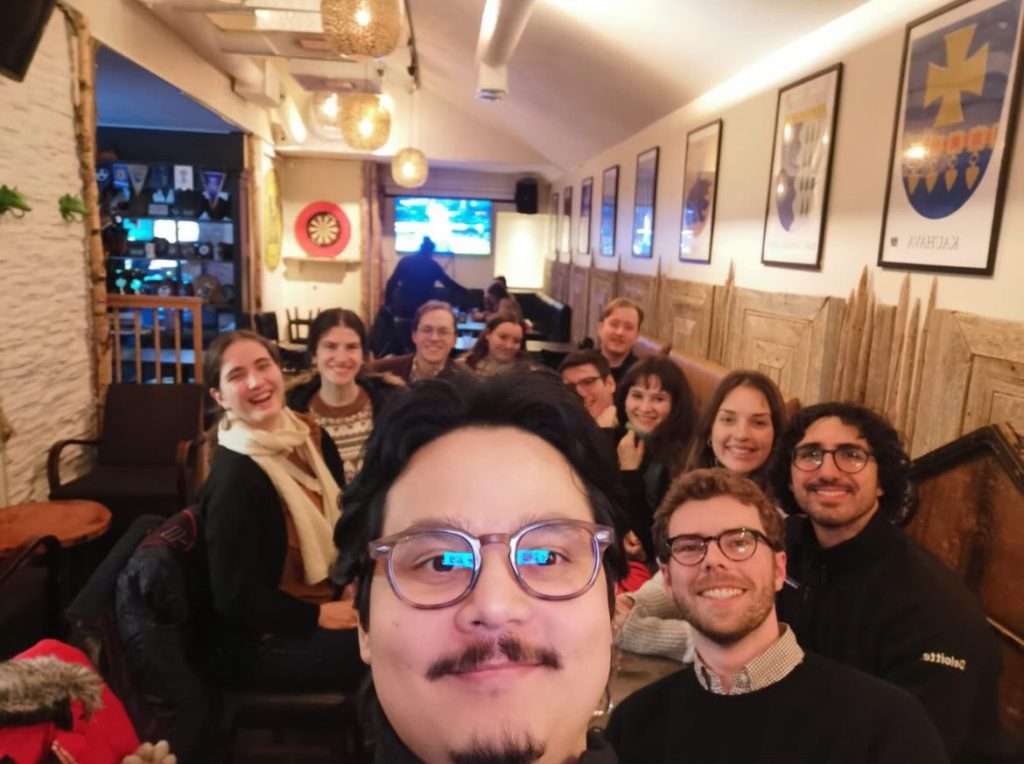
A pan-Orthodox community, the Telos Center ministers to young adults belonging to various jurisdictions of both the Eastern and Oriental Orthodox Churches. This year’s pilgrimage includes ten young adults belonging to Antiochian, Bulgarian, Greek, and Orthodox Church in America (OCA) parishes in New England. The group includes individuals who are cradle Orthodox as well as converts and inquirers to the tradition.
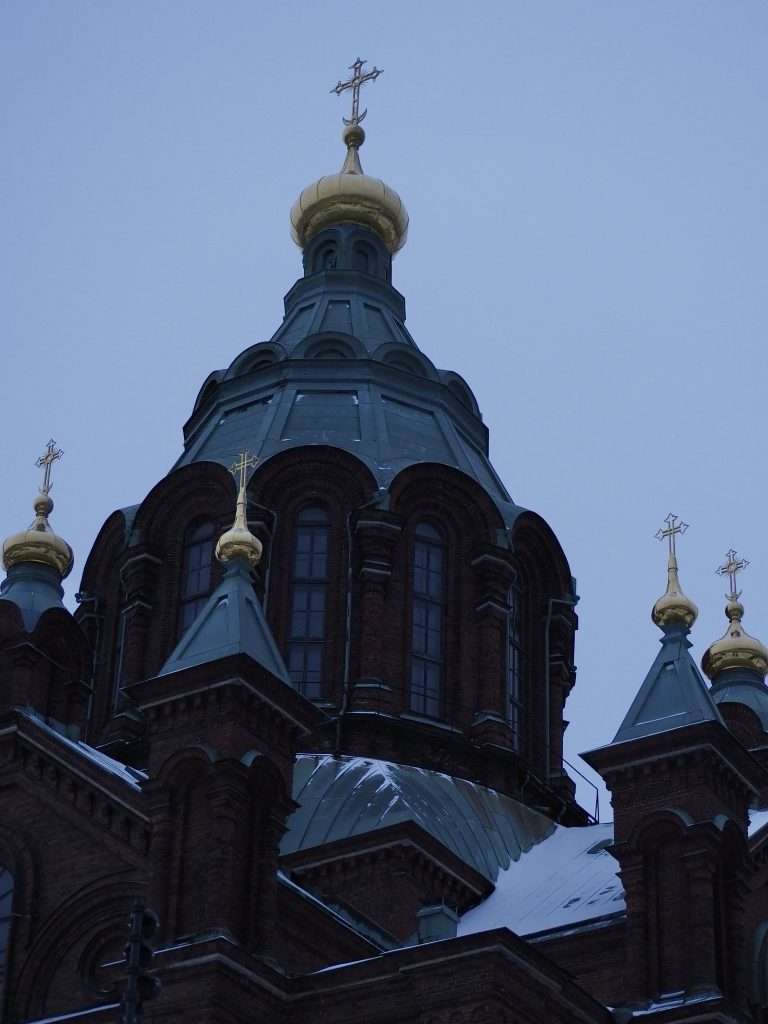
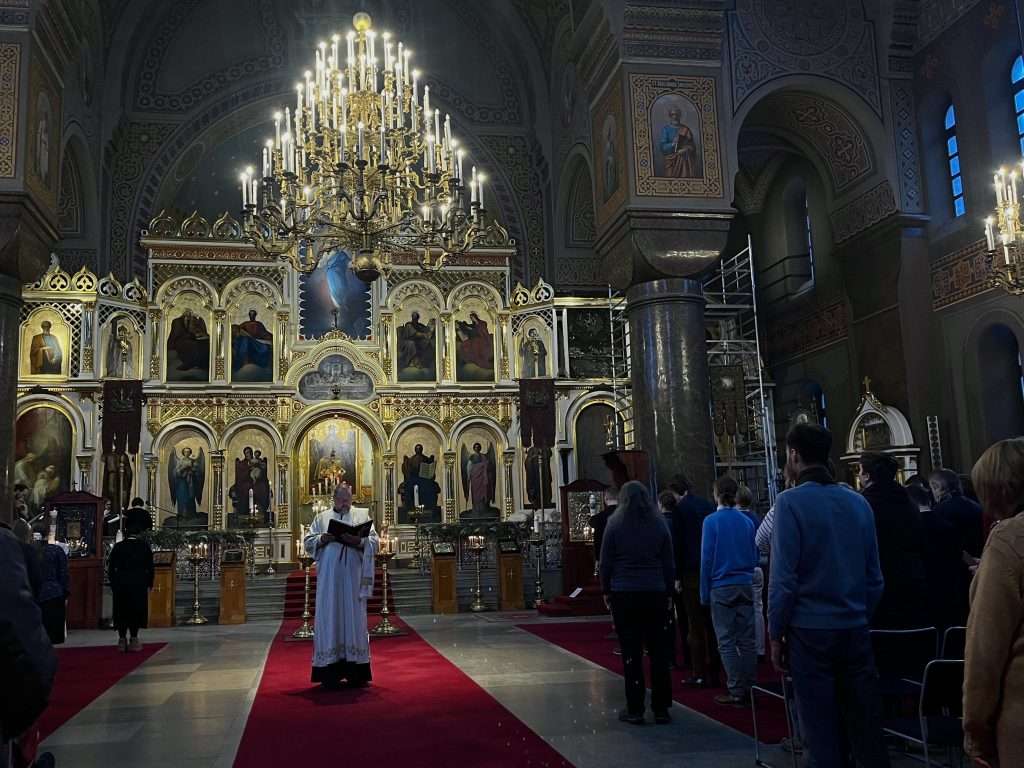
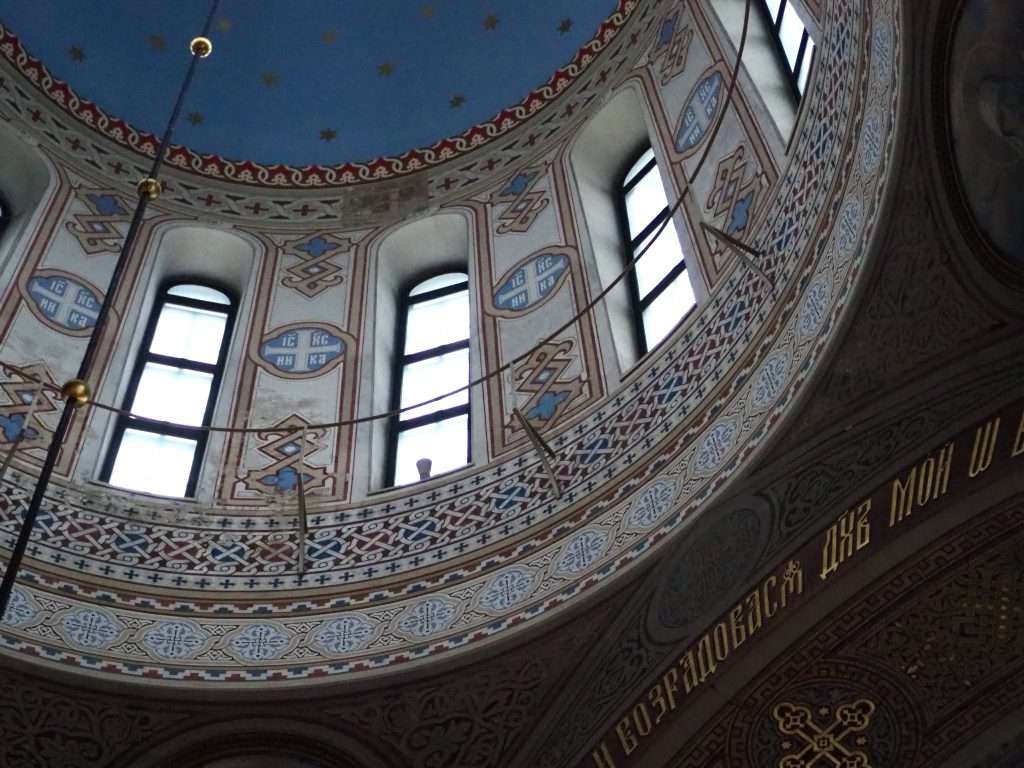
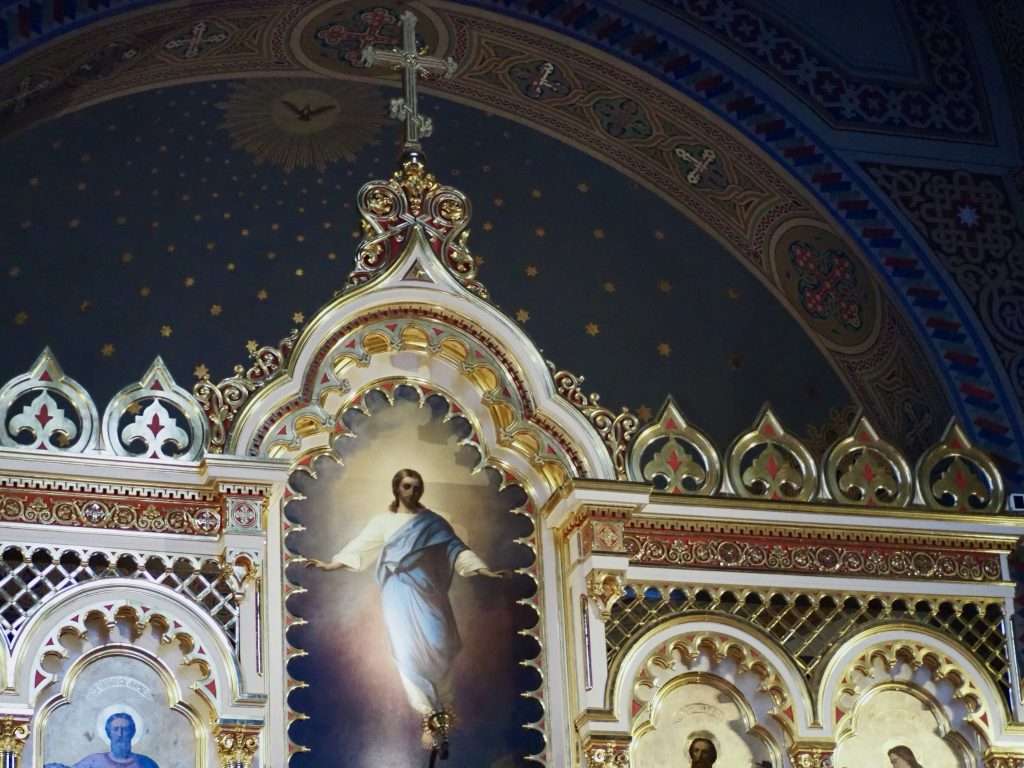
The young adults began their trip in Helsinki, where they attended the Divine Liturgy at Uspenski Cathedral and met local faithful. The church, dedicated to the Dormition of the Theotokos, is the primary cathedral of the Orthodox Church of Finland (OCF).
With roots in medieval missionary work, the OCF was part of the Russian Orthodox Church until 1923, after the country gained its independence from the Russian Empire and the jurisdiction was transferred to the Ecumenical Patriarchate of Constantinople.
Now an autonomous archdiocese, the OCF shares qualities with the Greek Orthodox Archdiocese of America–namely, its position under the Mother Church of Constantinople and its circumstances as a minority religious tradition, with the vast majority of the population belonging rather to the Evangelical Lutheran Church of Finland. However, both Lutheran and Orthodox traditions are constitutional national churches in Finland, a designation recognizing Christianity’s arrival in Finland from both the East and West.
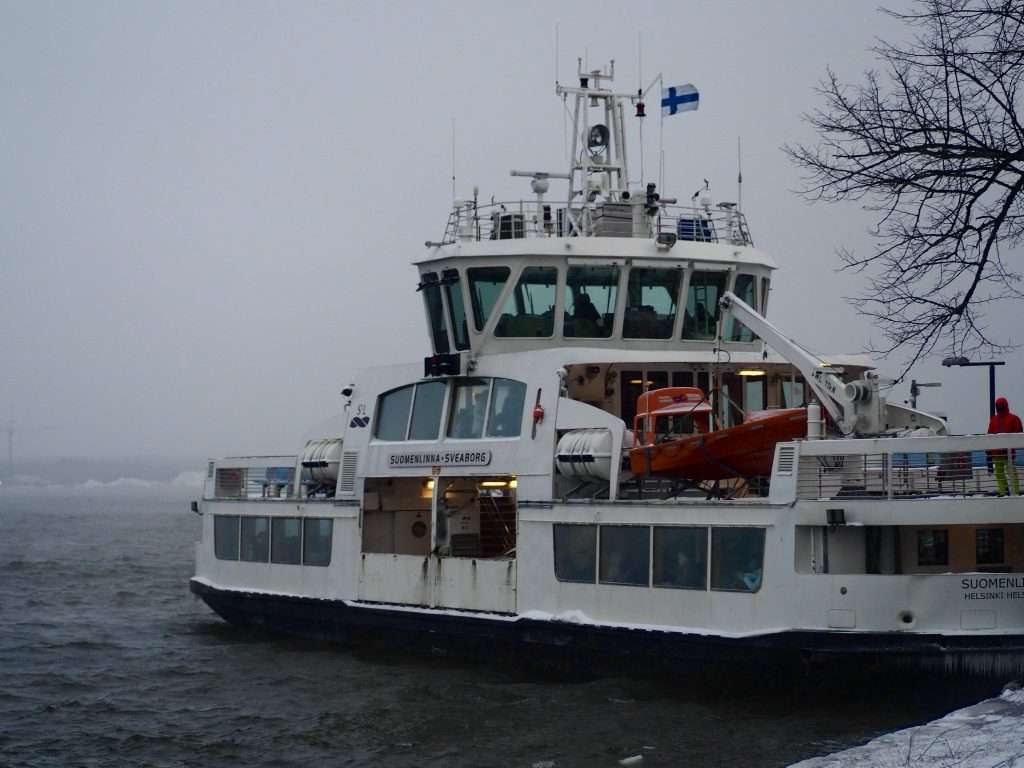
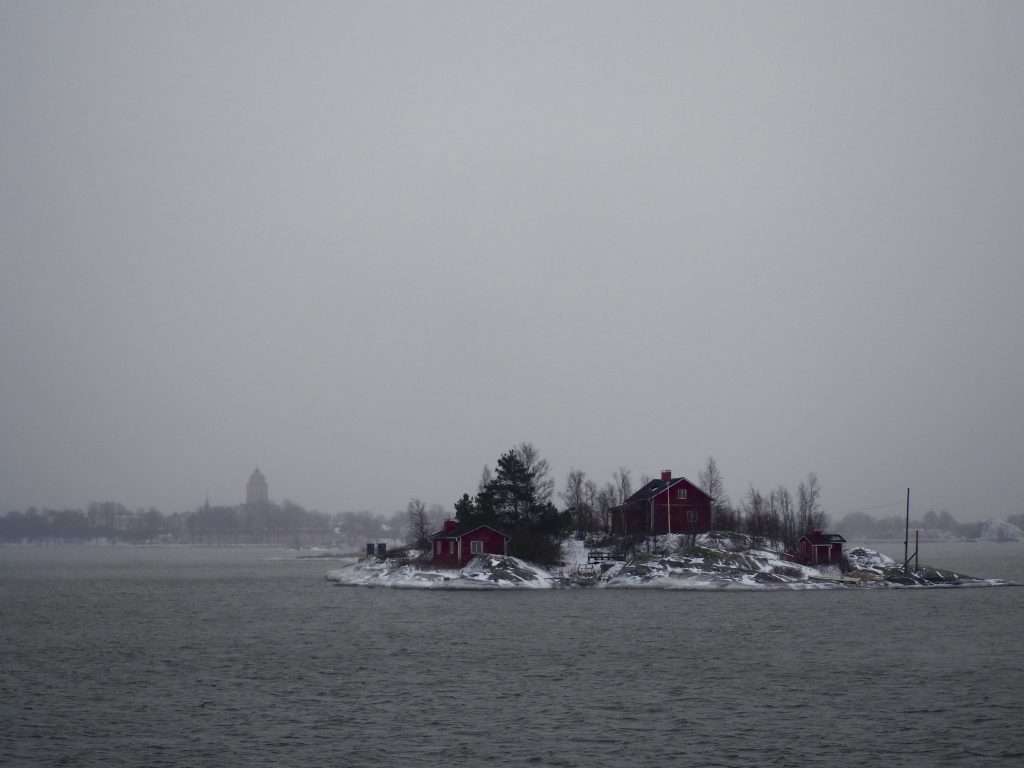
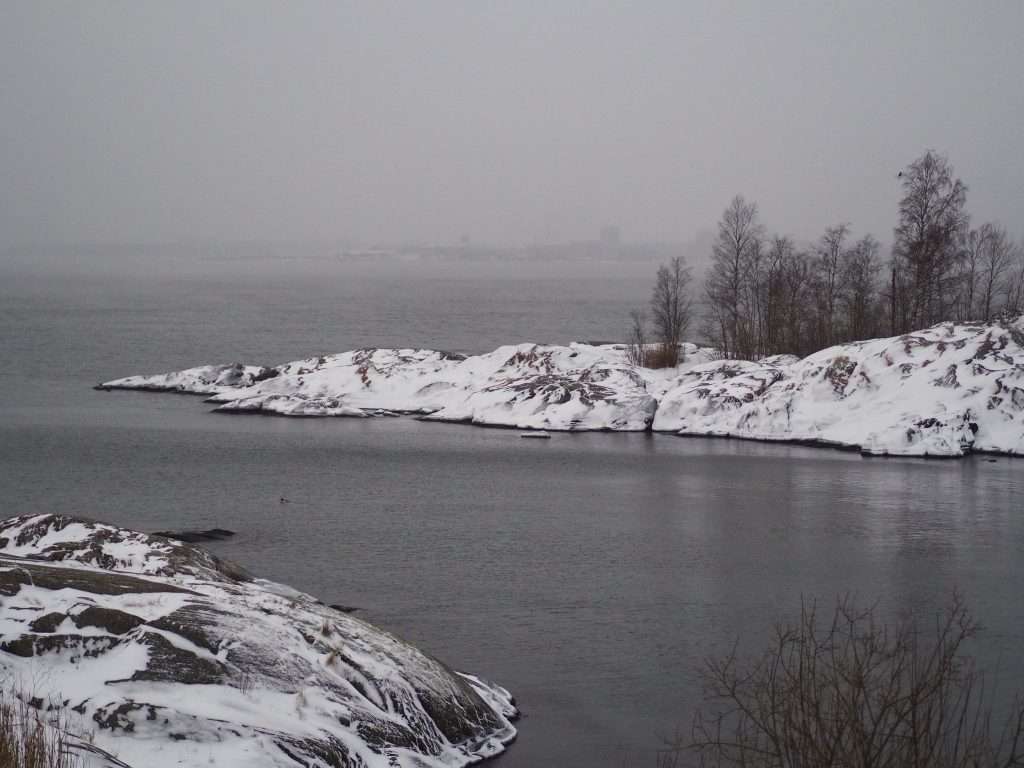
Later in the day, the young adults visited Suomenlinna sea fortress, a UNESCO World Heritage Site located in the Baltic Sea’s Gulf of Finland. Among the tour sites was Suomenlinna Church, once an Eastern Orthodox garrison church now converted to a Lutheran church as an indication of Finland’s independence from Russia.
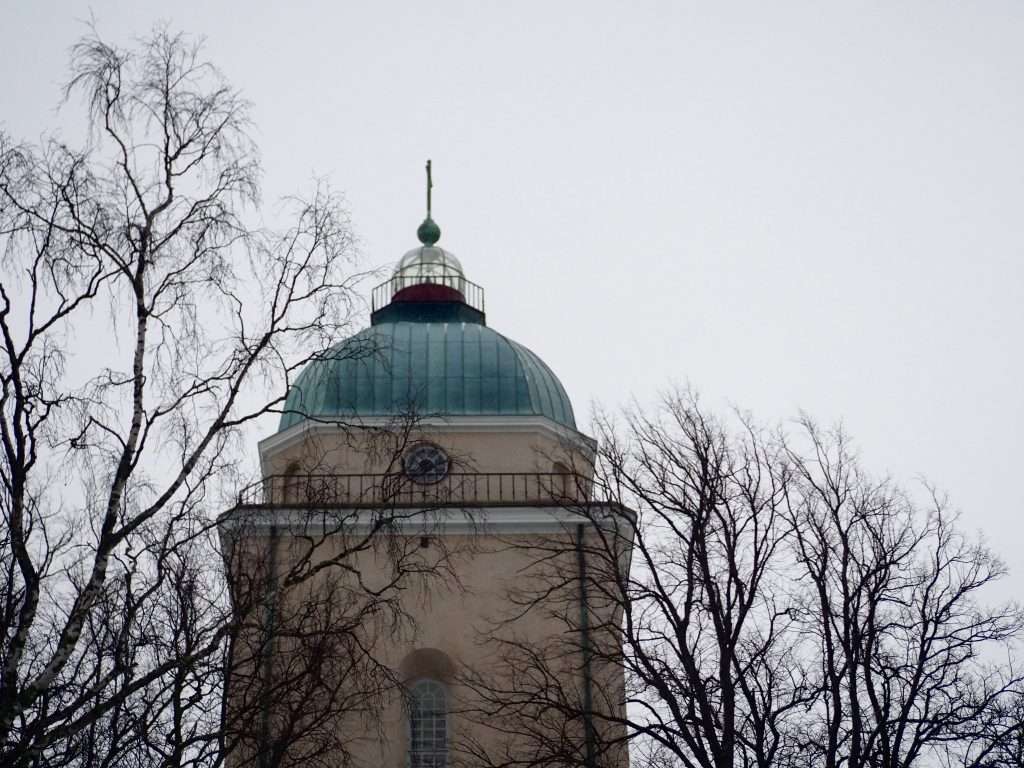
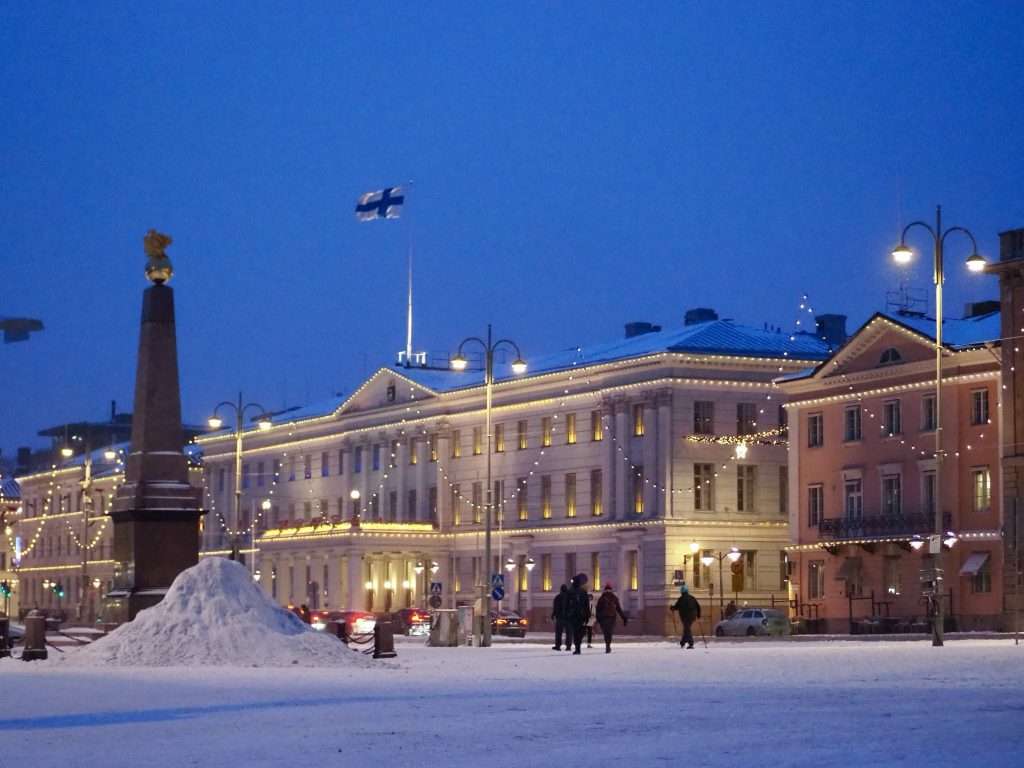
Returning to Helsinki by sea, the pilgrims were reminded of this dual history by the city’s foremost landmarks–Uspenski and the Lutheran Helsinki Cathedral.
In the evening, the young adults shared reflections from the day, discussing their journeys within and to Orthodoxy, their understandings of U.S. Orthodox identity, and their first impressions of Finnish Orthodoxy.
They also met with a leader from Helsinki’s young adult Orthodox community, who encouraged them to have open-mindedness and consideration as they experience what Orthodoxy (literally, “right praise”) looks like across different cultures and contexts.
The pilgrims will spend their remaining time in Finland at New Valaam Monastery in the North Karelia region. There, they will celebrate the Feast of Theophany (Epiphany), meet with monks, and visit the University of Eastern Finland and Orthodox members of its School of Theology.
The post CrossRoad Institute commences second annual Finland pilgrimage appeared first on Orthodox Observer.