This post was originally published on this site
“Keeping this school closed after more than 50 years is a political and diplomatic anachronism that doesn’t help our country,” said His Eminence Archbishop Elpidophoros of America, speaking to Suzan Fraser of the Associated Press about the Theological School of Halki.
“We have so many private universities and private schools in Turkey, so keeping only Halki closed doesn’t help Turkey, doesn’t help anyone,” Archbishop Elpidophoros said.
In the AP interview, published ahead of Pope Leo XIV’s first international visit to Türkiye, Archbishop Elpidophoros highlighted renewed optimism that Halki—closed since 1971—could finally reopen. The seminary, located on Heybeliada off the coast of Istanbul, once formed generations of clergy and hierarchs of the Ecumenical Patriarchate, including His All-Holiness Ecumenical Patriarch Bartholomew. It has become both a symbol of Orthodox heritage and a key test of religious freedom in modern Türkiye.
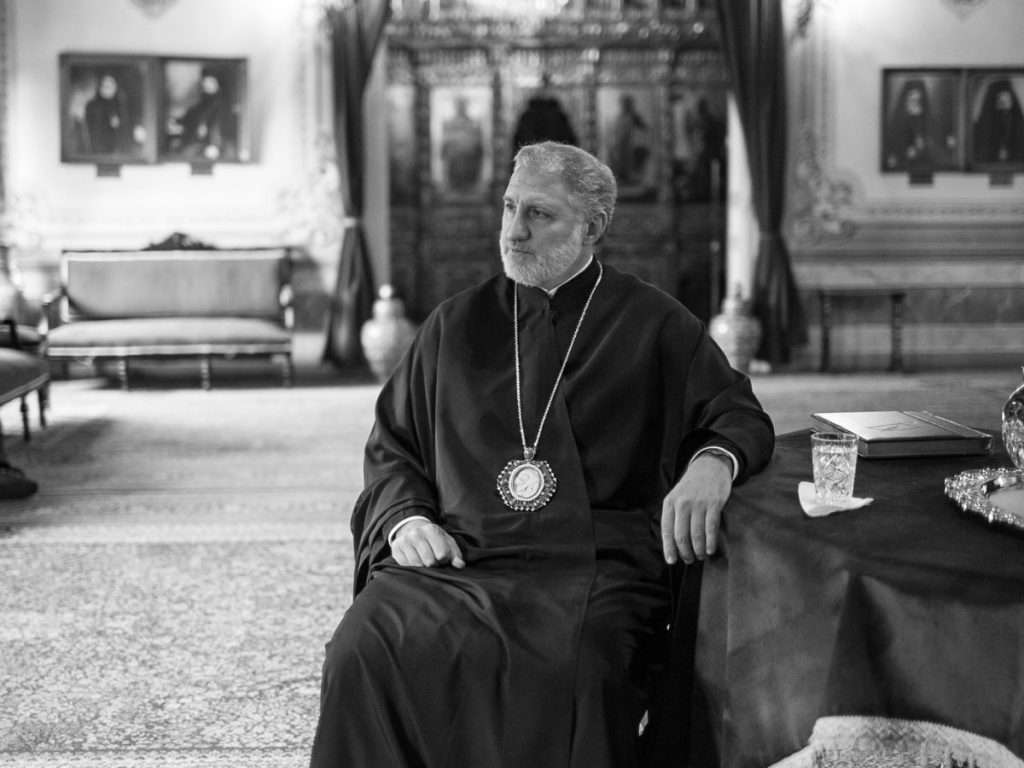
Speaking from New York, Archbishop Elpidophoros told the Associated Press that a joint committee of representatives from the Ecumenical Patriarchate and the Turkish government has already begun discussions on reopening the school.
“Turkey is now ‘ready to make the big step forward for the benefit of Turkey, for the benefit of the minorities and for the benefit of religious and minority rights in this country’ by reopening the seminary,” Archbishop Elpidophoros said, expressing hope that students could be welcomed as early as the next academic year.
> Watch: Archbishop Elpidophoros visits Halki’s Monastery of the Holy Trinity
This new momentum comes as Pope Leo XIV travels to Türkiye to meet President Recep Tayyip Erdogan and to join Ecumenical Patriarch Bartholomew in İznik (ancient Nicaea), where they will commemorate the 1,700th anniversary of the First Ecumenical Council. In that context, the possible reopening of Halki stands as a powerful sign that a country central to Christian history can also become a modern champion of religious and minority rights.
Founded in 1844, the Theological School of Halki served for more than a century as the main seminary of the Ecumenical Patriarchate, educating countless priests, bishops, and patriarchs. It was closed in 1971 under laws restricting private higher education, even though subsequent legal changes allowed private universities to flourish. For decades, church leaders, governments, and human rights advocates have called the continued closure unjust and inconsistent with Türkiye’s own progress.
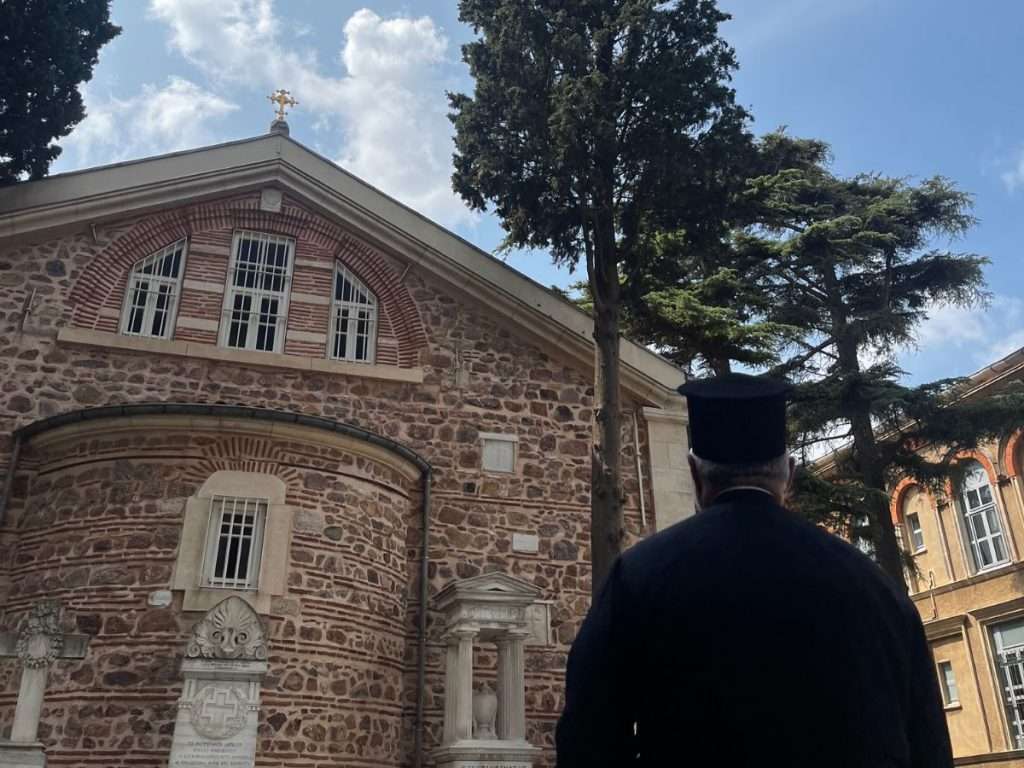
For Archbishop Elpidophoros, the issue is also deeply personal. The Theological School of Halki was closed before he had the chance to attend the seminary. Instead, His Eminence pursued his theological education in Greece. Later, he served for eight years as Abbot of the Halki’s Halki’s Monastery of the Holy Trinity, living with the paradox of a campus under restoration while the future of its classrooms is uncertain.
“The Theological School of Halki is in my heart,” His Eminence said.
> Previously: Archbishop Elpidophoros visits the Theological School of Halki with Ecumenical Patriarch Bartholomew
Archbishop Elpidophoros described it as embodying a “spirit” open to new ideas, dialogue, and peaceful coexistence, while rejecting nationalism, religious prejudice, and hate speech—precisely the kind of formation needed in a region that links Europe and the Middle East, Christianity and Islam, history and modernity.
“The entire world needs a school with this spirit,” Archbishop Elpidophoros emphasized.
The post Abp. Elpidophoros discusses Halki seminary with the Associated Press appeared first on Orthodox Observer.